
Working from home has become more than just a trend—it’s a lifestyle. Whether you’re a full-time remote worker, a freelancer, or just need a quiet spot to manage bills and side projects, having a dedicated home office can make a huge difference in your productivity and sanity. But not everyone has an extra room sitting around. That’s where the garage comes in.
Converting your garage into a home office is one of the smartest ways to maximize your living space. It gives you a separate area to focus, keeps work clutter out of your main living spaces, and can even add value to your home if done right. Plus, with a little creativity, you can transform a cold, empty garage into a comfortable, stylish, and fully functional office that suits your personality and work style.
Assessing Your Garage Space

Before you start tearing down walls or ordering furniture, it’s important to take a thorough look at your garage. Start by measuring the dimensions carefully—length, width, and ceiling height all matter. Knowing the exact space will help you plan where to place your desk, storage units, and other office essentials. Don’t forget to measure doors and any obstructions like support beams, plumbing, or electrical panels.
Next, inspect the overall condition of the garage. Look for cracks in the floor or walls, signs of water damage, mold, or uneven surfaces. These issues need to be addressed before you can move on to flooring, insulation, or decorating. A small crack today can turn into a bigger problem later, so taking the time to assess now can save you headaches and extra costs down the line.
Natural light is another important factor. Most garages have limited windows, and this can make a home office feel dark and uninspiring. Take note of where light enters the room and where it doesn’t. If the windows are outdated or poorly positioned, consider window replacement as part of your conversion plan—it can dramatically improve light, insulation, and overall comfort.
Quick Checklist for Garage Assessment
- Measure all walls, doors, and windows accurately to plan furniture layout.
- Inspect for leaks, moisture, or water damage that could affect walls or flooring.
- Check ceiling height for potential lighting, fans, or HVAC installation.
- Note natural light sources and areas that feel dark or gloomy.
- Identify structural concerns, such as cracks, sagging walls, or weak supports.
- Evaluate windows for potential upgrades or replacement to improve insulation and light.
Understanding Local Codes and Permits
One of the most overlooked steps in a garage conversion is understanding local building codes. Not all garages are legally considered livable space, and depending on your city, you may need permits for electrical work, insulation, plumbing, or structural changes. Skipping this step can lead to fines, failed inspections, or even having to undo work you’ve already completed.
Even if your plan seems minor, it’s always smart to check with your city’s building department. They can provide guidance on zoning restrictions, safety standards, and requirements specific to your neighborhood. Many homeowners hire a remodeling company at this stage to handle the paperwork, coordinate inspections, and ensure that all modifications comply with the law. A professional team can save you a lot of stress and prevent costly mistakes.
Getting permits isn’t just a bureaucratic step—it’s an important safety measure. Properly permitted electrical, plumbing, and structural work ensures your office is safe and comfortable. Plus, a well-documented conversion can increase your home’s value and make it easier to sell in the future, since buyers can see that everything was done according to code.
Things to Consider for Codes and Permits
- Are there zoning restrictions for converting garages into livable space?
- Do you need a permit for electrical wiring, outlets, or lighting?
- Are fire safety measures required, such as smoke detectors or sprinklers?
- Will structural changes like wall removal or adding windows require inspection?
- Are insulation, ventilation, or plumbing upgrades regulated by local codes?
- Is professional oversight recommended?
Planning Your Home Office Layout
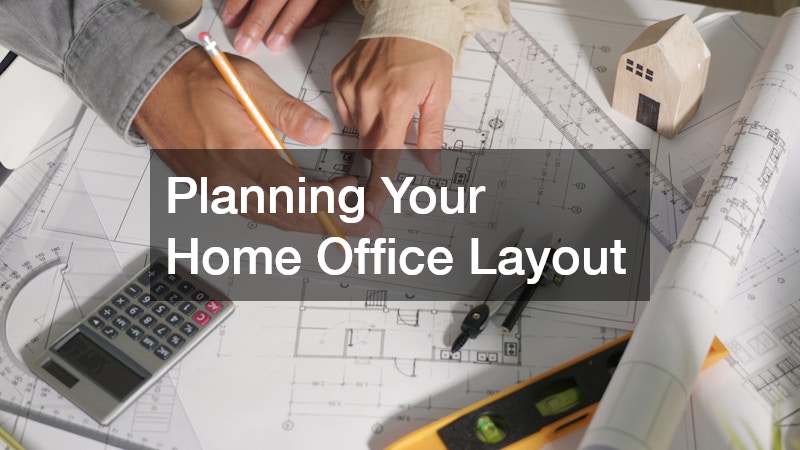
Once you’ve measured your garage and ensured all legal requirements are clear, it’s time to plan the actual layout. This step is crucial because a thoughtful layout can make a small space feel larger, more organized, and productive. Start by making a list of everything you need in your office—desk, chair, storage solutions, filing cabinets, perhaps a lounge chair for reading, or even a small meeting area if you occasionally host clients.
Think about the flow of your workday. How often do you need to get up and grab files, check printers, or access storage? Place frequently used items within easy reach to minimize interruptions and maintain focus. At the same time, make sure walking paths are clear and unobstructed to avoid accidents and create a sense of openness.
Layout Tips to Maximize Functionality
- Keep walking paths clear – Avoid placing furniture or storage in areas where you’ll frequently walk. Open pathways help the office feel spacious and reduce stress.
- Position your desk near natural light – If possible, place the main workspace near windows or light sources to improve mood and productivity.
- Use vertical space efficiently – Install shelves, wall-mounted cabinets, or pegboards to store supplies without taking up floor space.
- Separate zones for different tasks – Designate areas for focused work, storage, and relaxation to keep the space organized and reduce visual clutter.
- Consider ergonomic placement – Ensure your desk and chair allow for comfortable posture, and leave enough space for movement.
- Plan for flexibility – Use modular furniture or movable storage units so you can adjust the layout as your needs evolve.
- Incorporate visual boundaries – Rugs, different paint colors, or partitions can subtly define work areas versus storage or lounge spots.
Tips for Small Garages
If your garage is on the smaller side, prioritize multipurpose furniture. For example, a desk with built-in drawers reduces the need for separate filing cabinets, and foldable chairs or wall-mounted tables can help you reclaim space when not in use. Also, mirror walls or strategically placed lighting can make the space feel more open and less cramped.
Insulation and Climate Control
Garages are often drafty and poorly insulated, which can make them uncomfortable for long workdays. Without proper insulation, your garage office can become unbearably cold in winter or stiflingly hot in summer. Insulating walls, ceilings, and even the garage door itself is essential to maintain a consistent and comfortable temperature year-round. Additionally, good insulation helps with soundproofing and energy efficiency, reducing utility costs.
When planning climate control, it’s important to think beyond just heaters or fans. For long-term comfort, consider installing a ductless HVAC system, a mini-split, or extending your home’s existing system to the garage. Working with a professional HVAC company can ensure your system is properly sized, installed safely, and operates efficiently. They can also advise on ventilation strategies to prevent humidity, condensation, or stale air, which are common in converted garage spaces.
Additional Climate Considerations
- Seal gaps around doors and windows – Drafty edges can drastically reduce comfort and increase energy costs.
- Upgrade garage doors – Insulated panels or weatherstripping can keep the temperature steady.
- Add portable units or ceiling fans – These can supplement heating or cooling while improving air circulation.
- Install dehumidifiers or vents – This helps prevent dampness, mold, and musty odors.
- Consider zone control – If your HVAC system allows, creating a separate temperature zone for the office ensures efficiency.
- Check insulation quality – Use foam, batt, or spray insulation depending on wall type and budget.
A well-insulated, climate-controlled space encourages productivity, keeps you healthy, and makes your converted garage feel truly like a professional workspace.
Flooring Options for a Home Office
The right flooring can transform your garage from a utilitarian space into a comfortable, stylish home office. Before choosing a material, start by inspecting the concrete slab or existing surface. Make sure it’s level, free of cracks, and clean. Any uneven spots or damage should be repaired first, because a solid foundation ensures a smooth, long-lasting finish.
Once the base is prepared, consider your lifestyle and the type of work you do. If you’ll spend hours at a desk, comfort and noise reduction matter. If you plan to occasionally move heavy equipment or storage units, durability becomes a priority. At this stage, consulting with professionals for flooring installation can save you time and ensure the surface is properly leveled, sealed, and protected.
Popular Flooring Options
- Laminate: Affordable, easy to clean, and available in a variety of styles that mimic wood or stone. Ideal for a polished, professional look without breaking the budget.
- Vinyl: Durable, moisture-resistant, and low maintenance. Great for garages prone to humidity or minor spills.
- Carpet Tiles: Comfortable underfoot and easy to replace in sections if damaged. They also reduce echo and make the office feel cozy.
- Polished Concrete: Sleek, modern, and highly durable. Can be stained or textured for style while remaining extremely low maintenance.
- Area Rugs: Adds warmth, reduces sound, and creates visual zones in the office. Perfect for layering over harder flooring options.
Tips for a Comfortable and Functional Floor
- Consider adding underlayment for extra insulation and soundproofing.
- Use rugs strategically to define work areas or create a cozy corner.
- Choose slip-resistant materials if you’ll move chairs or equipment frequently.
- Make sure transitions between the garage and house are smooth and level to avoid tripping hazards.
- Think long-term durability—flooring should withstand office chairs, foot traffic, and occasional spills without showing wear.
The right flooring, combined with strategic rugs and underlay, can make a garage office feel inviting, professional, and comfortable.
Lighting and Electrical Upgrades

Lighting can make or break a home office. While natural light is ideal, garages often have small or limited windows, making it necessary to invest in high-quality artificial lighting. A combination of overhead lights, task lighting, and adjustable desk lamps ensures that your workspace is bright without causing glare or eye strain. Consider energy-efficient LED lighting—it’s long-lasting, keeps the room cool, and gives a modern, clean look.
Electrical upgrades are often required when converting a garage, especially if it wasn’t originally designed for office use. You may need additional outlets, upgraded wiring, or dedicated circuits to safely power computers, printers, and other devices. Your trusted local electrician can help you assess your current system, install outlets in strategic locations, and ensure all wiring meets safety codes. Planning electrical needs in advance prevents power shortages, tripped breakers, or potential hazards once your office is operational.
Lighting & Electrical Tips
- Layer your lighting: Combine overhead, task, and accent lights to avoid shadows and create a comfortable working environment.
- Ensure ample outlets: Plan enough power points for computers, monitors, printers, and other devices.
- Use surge protectors or smart plugs: Protect sensitive electronics from power surges or outages.
- Organize cables: Cable management solutions like clips, channels, or under-desk trays reduce clutter and improve safety.
- Plan for future upgrades: Leave room for additional lighting, smart office gadgets, or extra outlets if your setup evolves.
- Test light placement: Make sure your desk isn’t in direct glare from overhead lights or windows.
Proper lighting and electrical planning not only make your garage office functional but also safer and more efficient.
Storage and Organization Solutions
Clutter is productivity’s worst enemy. Garages often come with leftover tools, storage boxes, or miscellaneous items that can interfere with your office setup. Before adding new furniture or storage systems, take the time to declutter. Decide what truly belongs in your office and what should be moved, donated, or discarded. A clean, organized space makes it easier to focus and reduces stress.
Once the clutter is cleared, think about storage solutions that fit both your needs and the dimensions of the garage. Built-in cabinets, modular shelving, and multi-purpose furniture can help you maximize vertical and horizontal space. Many homeowners hire custom cabinet companies to create tailored storage that perfectly fits the layout and aesthetics of the garage. Custom cabinets allow for hidden storage, specific-sized drawers for office supplies, and a more polished, professional look overall.
Storage Ideas for a Garage Office
- Wall-mounted shelves: Perfect for books, binders, or decorative items without taking up floor space.
- Vertical filing cabinets: Save square footage while keeping important documents organized and accessible.
- Pegboards or hooks: Ideal for small office tools, cables, or frequently used items you want to keep in view.
- Bins and baskets: Great for loose items, office supplies, or even personal items, keeping everything tidy and easy to grab.
- Multi-functional furniture: Desks with drawers, storage benches, or cabinets that double as seating can optimize limited space.
- Label and categorize: Use labels on drawers, shelves, and bins to make everything easy to find, reducing clutter over time.
A well-organized garage office improves workflow, keeps your essentials within reach, and makes the space feel inviting.
Technology Setup
No modern office is complete without a strong technology setup. A reliable internet connection is crucial—make sure your Wi-Fi reaches the garage, and if the signal is weak, consider a range extender or a dedicated office router. For those who rely on multiple devices, it’s important to plan power needs carefully to avoid overloading circuits.
Once your connectivity is set, think about your office devices. Computers, monitors, printers, and even smart devices should be positioned to maximize ergonomics and workflow. Proper monitor height, keyboard placement, and chair support help reduce strain during long work sessions. Cable management is essential—tangled cords not only look messy but can also become a tripping hazard or interfere with your devices. Keeping cables organized with clips, channels, or sleeves will make your space safer and more efficient.
Tech Setup Essentials
- Reliable internet: Ensure high-speed connectivity reaches the garage, and consider a dedicated router if multiple users need stable connections.
- Device placement: Arrange monitors and keyboards for optimal ergonomics to prevent neck and wrist strain.
- Cable management: Use clips, sleeves, or channels to keep cords tidy and prevent accidents.
- Surge protection: Protect sensitive electronics from power spikes and outages.
- Plan for maintenance: Set up a schedule for regular software updates and computer repairs to keep all equipment running smoothly.
- Smart devices integration: If your garage has a smart garage door opener, ensure it’s accessible and integrated into your office setup without interfering with your workspace.
By addressing internet, device placement, cable organization, and regular maintenance, you’ll avoid interruptions and make your workday run smoothly.
Interior Design and Decor Tips

Even if it started as a garage, your office should feel inviting, comfortable, and inspiring. Start with colors that boost productivity and creativity. Soft blues, greens, and neutrals work well for most people, while pops of brighter colors can add energy without overwhelming the space. Walls don’t have to be boring—consider an accent wall, subtle patterns, or even removable wallpaper for a personalized touch.
Furniture plays a huge role in both comfort and style. Choose pieces that are functional, fit the space, and support your workflow. A desk that accommodates your computer, monitor, and office supplies is essential, while a comfortable chair ensures you can work long hours without discomfort. Small decorative accents, like a lamp, clock, or storage baskets, can add personality without creating clutter.
Decor Ideas for a Garage Office
- Plants: Add greenery for a fresh, lively atmosphere and improved air quality.
- Wall art or motivational quotes: Inspire creativity and create a more personalized workspace.
- Accent rugs or textiles: Define different areas, such as the main workspace versus a reading nook.
- Color-coordinated furniture: Keep your furniture in a cohesive palette to make the space feel intentional and stylish.
- Lighting accessories: Desk lamps, floor lamps, or LED strips can add both function and ambiance.
- Personal touches: Photos, collectibles, or small mementos make the office feel like your own space without overcrowding it.
Pay attention to color, furniture, and personal touches, and you can turn a garage into a home office that feels professional, cozy, and inspiring—all while reflecting your personality and work style.
Soundproofing and Privacy Considerations
A garage office can get noisy, especially if it’s near a busy street, a garage with frequent traffic, or even other rooms in your home. Soundproofing is essential for maintaining focus, improving concentration, and creating a professional environment for work or video calls. Start by adding insulation to walls, ceilings, and even the garage door itself. Acoustic panels, foam tiles, or thick curtains can help reduce echo and block external noise effectively.
Privacy is just as important as soundproofing. If you take calls or attend virtual meetings, make sure doors close securely and windows have coverings that prevent distractions. Even small adjustments, like sealing gaps around doors and using rugs or carpet tiles, can reduce noise and create a more comfortable, private workspace. For garages with older or thin doors, consider consulting a garage door company to upgrade or reinforce the door, which can improve both soundproofing and insulation.
Soundproofing Tips
- Acoustic panels or foam tiles: Attach to walls to reduce echo and absorb sound.
- Heavy curtains or blinds: Use on windows to block both light and noise.
- Rugs or carpets: Help absorb sound and reduce footsteps or chair movement noise.
- Seal gaps around doors and walls: Prevent sound from leaking into or out of your office.
- Garage door upgrades: Replace or reinforce thin doors with insulated, sound-reducing panels.
- Strategic furniture placement: Bookshelves and upholstered furniture can act as natural sound absorbers.
By combining soundproofing materials, privacy measures, and thoughtful layout, your garage office can become a quiet, distraction-free zone that supports productivity and professionalism.
Final Touches and Personalization
Now that your garage office is functional and organized, it’s time to make the space feel truly yours. Adding finishing touches can turn a practical workspace into an environment that inspires creativity, focus, and comfort. Think about small details that reflect your personality—extra lighting, desk organizers, or personal memorabilia can make the office feel inviting and uniquely yours.
Comfort is just as important as style. Long hours at a desk can be tiring, so consider adding elements that improve your physical and mental well-being. A soft rug underfoot, a fan for ventilation, or a cozy chair in a reading corner can make your office more enjoyable and reduce fatigue. Personal touches aren’t just about aesthetics—they directly impact productivity, motivation, and your overall experience in the space.
Personalization Ideas
- Framed photos or artwork: Choose pieces that inspire or motivate you during the workday.
- Small plants or succulents: Bring life and color to the office while improving air quality.
- Comfortable chairs, cushions, or footrests: Support long work sessions and encourage good posture.
- Desk organizers and trays: Keep essentials tidy and within reach for a clean, distraction-free workspace.
- Accent lighting: Add desk lamps or LED strips for ambiance and task lighting.
- Decorative storage boxes or baskets: Combine function with style, keeping clutter out of sight.
With these final touches, your garage office becomes more than just a workspace—it transforms into a personalized, comfortable, and motivating environment that encourages productivity and creativity every day.
Wrapping It Up
Converting your garage into a functional home office is a rewarding project. With proper planning, insulation, lighting, and storage, you can create a space that’s both comfortable and productive.
Remember, the key is to balance functionality with style. Take your time, address practical concerns first, and personalize later. Once complete, your garage office won’t just be a converted space—it will be a place where work feels easier, inspiration comes naturally, and your home’s potential is fully realized.