
In today’s world, families encounter a variety of situations that require expert support and services. From medical needs to legal guidance, knowing which resources are available can make all the difference in maintaining the health, safety, and happiness of your household. Essential services provide families with the tools, guidance, and professional care needed during both routine and unexpected situations. Being aware of these services can help reduce stress, save time, and ensure informed decision-making for every member of the family, including pets.
Families often face challenges that span multiple areas, including healthcare, legal matters, and child or pet care. For instance, understanding the adoption process, seeking advice from a divorce attorney, or scheduling appointments with a dentist can be critical for family stability and planning. Similarly, services like orthopedic braces for physical support, pet boarding for vacations, or knowing where the nearest emergency vet clinic is located can prevent small problems from becoming emergencies. Even products like polyethylene film for home safety or dental implants for oral health play an important role in comprehensive family care.
This article explores essential services that every family should know about. By breaking down each service, from adoption to urgent care veterinarians, we aim to provide practical insights, actionable advice, and an understanding of what to expect in each area. Families equipped with this knowledge can navigate life’s challenges more confidently and ensure that both human and animal members of the household receive the best possible care.
What is the Adoption Process Like?

Understanding the Steps in Adoption
The adoption process can feel overwhelming at first, but knowing the typical steps involved makes it more manageable. Families start by gathering important paperwork, including financial records, background checks, and personal references. A home study is then conducted, where social workers assess the home environment to ensure it meets safety and suitability standards. After approval, prospective parents match with a child and complete legal proceedings for finalization.
Each stage of the adoption process emphasizes preparation, patience, and compliance with legal requirements. For families, understanding what is expected at each step helps reduce stress and ensures the process moves smoothly. Some agencies provide workshops or guidance sessions to help families navigate documentation, home visits, and court appearances. Being proactive in learning about the adoption process allows families to make informed choices and build a stable environment for a child’s long-term well-being.
Choosing Between Domestic and International Adoption
Choosing between domestic and international adoption requires careful consideration. Domestic adoption usually involves children within the same country, which can simplify legal processes and maintain cultural familiarity. International adoption involves additional steps, such as adhering to foreign regulations, travel requirements, and cultural acclimation. Families must weigh factors like costs, timelines, and the specific needs of children they hope to adopt.
Understanding both pathways of the adoption process helps families make decisions that align with their goals and capabilities. Agencies often provide counseling to discuss the benefits and challenges of each option, ensuring prospective parents are ready for the responsibilities and rewards of adoption. Proper preparation in this stage is crucial for creating a loving and stable home environment for a child.
When Should You Hire a Divorce Attorney?
Signs You Need a Divorce Lawyer
Recognizing when to consult a divorce attorney can save time, stress, and potential legal complications. Common signs include disputes over child custody, complex financial matters, or situations involving domestic conflict. Legal guidance ensures that rights are protected, agreements are fair, and all required documentation is completed correctly.
A divorce attorney also provides clarity on matters such as asset division, alimony, and legal obligations. Consulting an attorney early in the process can prevent misunderstandings and help families navigate emotionally charged situations. Families who anticipate complications benefit most from professional support, ensuring a smoother transition during a difficult period.
How to Choose the Right Divorce Attorney
Selecting the right divorce attorney involves evaluating experience, communication style, and client reviews. Families should consider whether the attorney has handled similar cases and understands the nuances of local family law. Personal comfort with the attorney is also vital, as open communication fosters trust and collaboration.
Researching multiple candidates, scheduling consultations, and asking targeted questions can help families identify an attorney who meets their needs. A qualified divorce attorney not only provides legal expertise but also offers guidance and support during a significant life change. Finding the right professional ensures that families can approach the process with confidence and clarity.
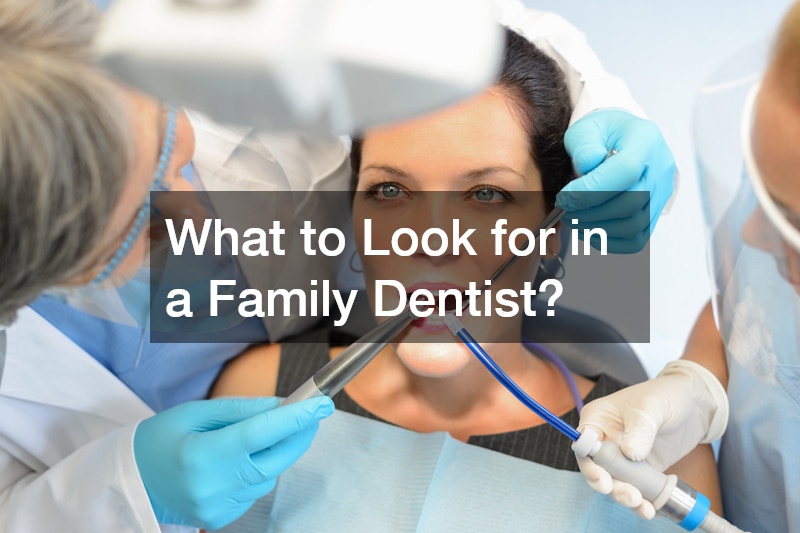
What to Look for in a Family Dentist?
Importance of Regular Dental Check-ups
Regular visits to a dentist are essential for maintaining oral health for all family members. Routine check-ups help prevent cavities, gum disease, and other dental issues before they become serious problems. Dentists can provide personalized care, offer advice on oral hygiene, and recommend treatments like dental implants when necessary.
Scheduling consistent appointments fosters a preventative approach to dental care. Families who prioritize regular dental visits often experience fewer emergency treatments, saving both time and money. A proactive approach to dental health also instills good habits in children, creating a foundation for lifelong oral wellness.
Evaluating Local Pediatric Dentists
Finding local pediatric dentists ensures that children receive age-appropriate care in a comfortable environment. Pediatric dentists specialize in managing young patients, addressing concerns like teething, cavities, and early orthodontic assessments. Factors to consider include office atmosphere, staff friendliness, and experience with children.
Visiting local pediatric dentists regularly helps children develop positive attitudes toward dental care. Families benefit from professional guidance on preventive strategies, nutrition, and oral hygiene tailored for kids. Choosing the right dentist early on reduces anxiety and sets the stage for healthy smiles throughout childhood and beyond.
How Do Orthopedic Braces Work?
Types of Orthopedic Braces
Orthopedic braces provide support and stability for various parts of the body, aiding recovery and preventing further injury. Common types include knee braces, wrist braces, back supports, and ankle braces. Each is designed to address specific conditions, ranging from sports injuries to chronic conditions like arthritis.
Understanding the purpose of each type of orthopedic brace helps families make informed decisions about their use. Medical professionals guide patients on selecting braces that provide the right level of support, mobility, and comfort. Properly fitted braces can significantly enhance recovery outcomes and improve quality of life.
The Process of Fitting Orthopedic Braces
The fitting process for orthopedic braces involves careful measurement, adjustment, and sometimes custom fabrication. Medical professionals assess the affected area, determine the type of brace needed, and ensure it fits securely without restricting movement unnecessarily. Follow-up appointments may be scheduled to monitor progress and adjust the brace as recovery continues.
Proper fitting is critical to effectiveness, comfort, and long-term health. Families working with healthcare providers on orthopedic braces benefit from guidance on usage, care, and duration, ensuring the brace contributes positively to treatment and daily activities.
What to Expect from Pet Boarding Services?

Preparing for Pet Boarding
Preparing a pet for boarding involves more than packing food and toys. Families should provide medical records, vaccination history, and any specific care instructions. Familiar items like blankets or toys can help pets feel more comfortable during their stay.
Proper preparation minimizes stress for both pets and owners. Pet boarding facilities often provide guidance on acclimating pets to new environments, ensuring safety, comfort, and proper care throughout the visit. Planning ahead helps families ensure a smooth, worry-free boarding experience.
Questions to Ask Pet Boarding Facilities
Asking the right questions helps families select a reliable pet boarding service. Key inquiries include staff qualifications, daily routines, emergency procedures, and cleanliness standards. Understanding the facility’s policies ensures pets receive attentive care and that owners are confident in their choice.
Families should also discuss dietary needs, exercise schedules, and socialization opportunities for their pets. Thorough evaluation of a pet boarding facility ensures a safe, comfortable, and enriching experience for every animal under their care.
When to Visit an Emergency Vet Clinic?
Common Emergency Situations for Pets
Pets can experience emergencies at any time, from sudden illnesses to accidents. Common scenarios that require a visit to an emergency vet clinic include difficulty breathing, severe bleeding, seizures, ingestion of toxic substances, or sudden collapse. Quick action can be life-saving, making awareness of emergency services critical for pet owners.
Knowing the signs of a true emergency helps families avoid delays in treatment. Emergency vet clinics are equipped with specialized tools and trained staff to handle urgent cases, including surgery, critical care, and diagnostics. Families who understand when to seek emergency care provide the best chance for recovery and minimize risks to their pets’ health.
Finding the Nearest Emergency Vet Clinic
Locating the nearest emergency vet clinic in advance ensures pets receive prompt care when needed. Online searches, veterinary directories, and local recommendations are valuable resources. Families should note addresses, contact numbers, and hours of operation to avoid confusion during emergencies.
Many clinics also offer guidance on initial care at home, such as stabilizing pets until transport. Being prepared with this information reduces stress and ensures that pets get the timely, professional care they require. Establishing a relationship with a local emergency vet clinic is an important part of responsible pet ownership.
What to Know About Urgent Care Veterinarians?

Difference Between Urgent Care and Emergency Vet Clinics
Understanding the difference between urgent care veterinarians and emergency vet clinics helps families make the right decision for their pets. Urgent care clinics handle less critical situations, such as minor infections, mild injuries, or illness symptoms that need prompt attention but are not life-threatening. Emergency vet clinics, on the other hand, treat severe or potentially fatal conditions that require immediate, advanced intervention.
Knowing where to go ensures pets receive appropriate care without unnecessary stress or cost. Families benefit from recognizing which type of service suits each scenario, allowing for timely treatment and better overall outcomes.
Typical Services Offered at Urgent Care Vet Clinics
Urgent care veterinarians offer a range of services, including vaccinations, wound treatment, lab testing, and minor surgical procedures. They may also provide guidance on preventive care and chronic condition management, helping families maintain their pets’ health proactively.
By understanding the services available at urgent care clinics, families can address health issues quickly, prevent escalation, and maintain routine care without waiting for emergency situations. These clinics complement regular veterinary care and ensure pets have access to timely treatment whenever needed.
Understanding Dental Implants
The Procedure of Getting a Dental Implant
Dental implants are a long-term solution for replacing missing teeth and restoring oral function. The procedure begins with a consultation, where the dentist evaluates bone density, oral health, and overall suitability for an implant. The process involves placing a titanium post into the jawbone, allowing it to fuse naturally over several months. Once the implant integrates, a crown is attached to provide a functional and aesthetically pleasing replacement tooth.
Dental implants not only improve appearance but also enhance chewing, speech, and overall oral health. Understanding the procedure and recovery expectations helps families make informed decisions. Dentists may also provide information on alternatives, such as bridges or dentures, for patients who may not be ideal candidates for implants.
Long-term Care and Maintenance of Dental Implants
Maintaining dental implants requires consistent oral hygiene and regular check-ups with a dentist. Brushing, flossing, and periodic professional cleaning prevent complications such as gum disease or implant loosening. Regular visits allow dentists to monitor the health of surrounding teeth, ensuring the implant remains secure and functional.
Families with dental implants benefit from guidance on diet, oral care routines, and early recognition of potential issues. Long-term maintenance ensures that implants last for decades, providing reliable support and contributing to overall oral health.
Other Essential Household and Family Services
In addition to the previously discussed services, families often rely on other essentials such as products like polyethylene film for home safety, professional guidance for healthcare, and resources for both adults and children. Polyethylene film can be used in construction, insulation, or protective barriers, demonstrating how everyday items can support family well-being and home safety.
Similarly, consulting dentists or local pediatric dentists for routine oral care, orthopedic specialists for braces, and boarding facilities for pets helps maintain both convenience and health. The integration of these services into family routines ensures comprehensive care and readiness for unexpected events. Awareness and proactive planning allow families to navigate challenges efficiently and confidently.
Being aware of these essential services can significantly impact the well-being and health of family members, both human and pet alike. Understanding the adoption process prepares prospective parents for a structured and supportive journey, while consulting a divorce attorney ensures families handle legal transitions fairly and efficiently. Regular visits to a dentist, including local pediatric dentists, support lifelong oral health, while orthopedic braces enhance physical well-being when needed.
For families with pets, knowing the location of emergency vet clinics, urgent care veterinarians, and reliable pet boarding facilities ensures safety and comfort. Dental implants and other healthcare interventions contribute to long-term quality of life, while household products like polyethylene film play a supporting role in safety and convenience. Families equipped with knowledge of these essential services can respond quickly to both routine needs and emergencies. Staying informed allows households to reduce stress, make sound decisions, and create an environment where every member—human or animal—thrives. By prioritizing these services, families ensure that their homes are not only functional but also resilient, supportive, and prepared for life’s many challenges.