Buying a new home marks a major life milestone, bringing a sense of accomplishment alongside long-term property responsibilities. Beyond unpacking boxes, arranging furniture, and decorating walls, new owners must quickly shift focus toward preserving the structural and mechanical integrity of their investment. Standard real estate home inspections perform a valuable function during purchase negotiations, but they offer only a surface-level overview at a single point in time. They rarely dive into the detailed operational status of a building’s complex, interconnected systems. A comprehensive maintenance audit gives homeowners a clear understanding of immediate repair priorities, routine seasonal upkeep, and potential equipment failures on the horizon. Taking a structured, trade-by-trade approach allows buyers to break down an overwhelming list of household tasks into logical, manageable phases. By systematically evaluating every component from the roof peak down to the foundation drainage lines, property owners protect their equity and avoid sudden repair expenses. Prioritizing thorough inspections during the first few months creates enduring peace of mind, keeps families safe, and ensures the building operates smoothly across every season.
Inspecting the Tree Canopy and Overhead Hazards
The property maintenance audit properly begins outdoors by looking upward at the surrounding natural canopy. Mature trees provide shade, natural beauty, and property value, yet overgrown, diseased, or dying branches pose severe risks to physical structures. During intense windstorms or heavy winter snowfalls, compromised limbs can snap off unexpectedly, causing extensive damage to roofing shingles, exterior siding, gutters, or overhead service lines. New homeowners should walk the yard to inspect all mature trees for structural defects, such as hollow trunks, fungal growth near roots, cracked crotches, and heavy branches extending directly over building roofs. Underground root systems can also encroach on subterranean sewer pipes or lift nearby concrete walkways and driveways. When large branches scrape against roof planes or hang precariously over living areas, hiring a professional tree service becomes necessary to trim back hazardous growth safely. Certified arborists evaluate species health, identify structural vulnerabilities, and execute precise pruning or removals before severe weather strikes. Maintaining generous clearance around the structure prevents physical destruction, minimizes leaf debris buildup in drainage channels, and allows crucial sunlight to dry out damp exterior surfaces.
Evaluating Ground Grading and Exterior Drainage

Once the overhead canopy has been evaluated, attention must turn downward to the earth immediately surrounding the home’s foundation. Ground grading plays an irreplaceable role in keeping water away from basements, crawlspaces, and concrete slabs. Over time, backfilled dirt near foundation walls naturally settles, creating negative slopes that guide rainwater directly toward the building rather than channeling it away. Homeowners should conduct a careful perimeter walk following heavy rainfall events to spot standing puddles, persistent mud patches, or visible soil erosion along basement walls. Dense garden beds and thick mulch layers should never sit directly against wood siding, as this invites wood-boring insects and traps moisture against framing materials. Correcting severe grading deficiencies, installing subsurface French drains, or re-establishing healthy turf density often requires collaborating with skilled landscaping contractors. These outdoor specialists design functional landscapes that direct storm runoff safely into municipal channels while elevating overall curb appeal. Strategic plant selection, proper soil sloping, and efficient surface drainage preserve foundational stability, protect masonry walls, and maintain healthy outdoor living spaces.
Assessing Property Fencing and Perimeter Security
Property boundaries define the outer limits of a home, providing privacy, physical security, and controlled containment for children and domestic pets. During an initial property audit, owners ought to walk every linear foot of fencing enclosing the yard to inspect its overall structural stability. Wooden fences require careful examination for ground rot, insect infestations, loose vertical pickets, and wobbly support posts anchored in damp soil. Chain link, vinyl, and ornamental iron structures should be checked for surface rust, stress cracks, missing connection hardware, or unstable corner assemblies. Swing gates and latching mechanisms demand hands-on testing to verify that hinges operate smoothly and latches align correctly without dragging across ground level. If a perimeter fence leans noticeably or suffers from widespread decay, consulting a reliable fence company helps determine whether targeted repairs or total replacement represents the most cost-effective path. Professional installation teams sink support posts deep into solid concrete footings, select weather-resistant materials, and ensure all boundary lines comply strictly with local municipal codes and neighborhood guidelines. Sturdy fencing preserves property privacy, protects pets, and enhances neighborhood presentation.
Checking Roof Integrity and Attic Protection
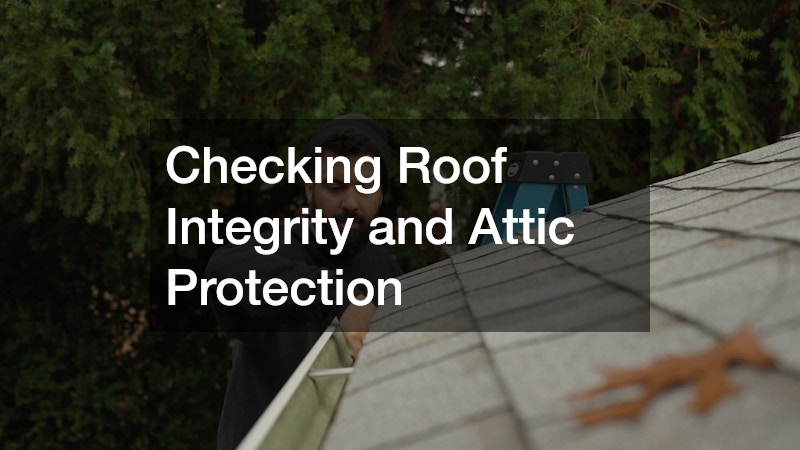
Moving from ground level up toward the building structure, the roofing system acts as the primary defense against rain, hail, snow, and solar radiation. Homeowners can conduct a preliminary ground-level assessment using binoculars, searching for missing, cracked, curling, or blistered shingles, as well as loose metal flashing around chimneys, skylights, and vent stacks. Stepping inside the attic space offers further insight into roof health; dark water staining on wooden rafters, damp insulation batts, or visible points of daylight signal active leaks. Adequate attic ventilation must also be verified, as trapped heat and moisture accelerate shingle degradation and foster mold growth. When structural issues or widespread shingle wear become evident, calling qualified roofers guarantees a comprehensive, safe examination on top of the roof deck. Professional roofing contractors possess the training to identify subtle underlayment failures, seal compromised roof penetrations, and replace damaged valley flashing before water breaches the interior ceiling envelope. Regular roof inspections and timely repairs prevent timber rot, safeguard finished living spaces, and maximize the overall operational life of roofing materials.
Examining Gutters and Rainwater Diversion
A well-built roof relies entirely on an efficient rainwater collection network to divert cascading storm runoff far away from exterior walls and foundational footings. Clogged, sagging, or leaking gutter systems allow water to overflow, cascading down exterior siding, rotting window frames, and pooling around the home’s perimeter. During a heavy rain event, homeowners should step outside to observe how efficiently water moves through the channel network, noting leaks at joint seams, detached downspout elbows, or water backing up under edge shingles. Downspout extensions should always discharge water at least five to ten feet away from foundation walls to prevent basement seepage. When gutter channels display severe rust, poor pitch alignment, or insufficient volume capacity for the roof’s pitch, contacting local gutter installers ensures a tailor-made replacement solution. Experienced installers fit seamless custom aluminum channels, adjust pitch angles for rapid water movement, and install durable debris guards that prevent leaf blockages. High-performing gutters protect exterior siding finishes, prevent soil erosion around foundation perimeters, and keep basements dry.
Auditing Interior Electrical Systems and Safety
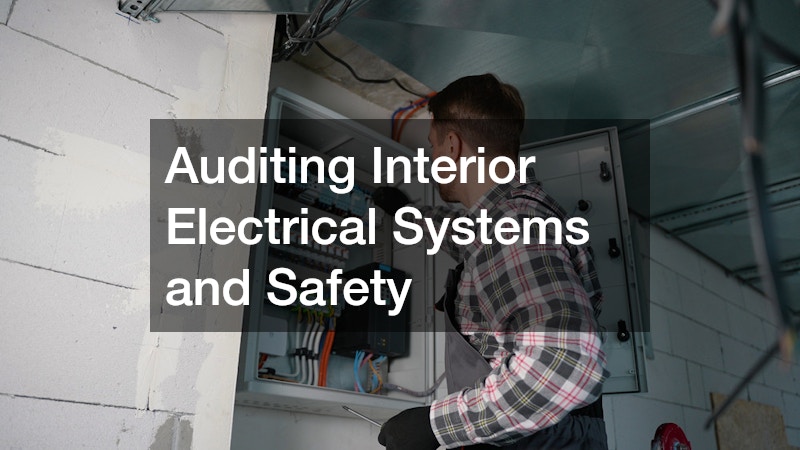
Stepping into the home’s interior, the electrical network demands meticulous review to ensure operational safety, personal comfort, and code compliance. Older residential properties frequently feature outdated service panels, overloaded electrical circuits, or ungrounded two-prong outlets that present fire hazards. Homeowners should locate the main circuit breaker panel, verifying that all switches are clearly labeled, free from rust or scorch marks, and cool to the touch. Testing ground fault circuit interrupter outlets in kitchens, bathrooms, laundry rooms, and outdoor locations verifies that power trips quickly when water contact occurs. Flickering light fixtures, humming outlets, or circuit breakers that trip repeatedly point to underlying wiring faults that require prompt expert attention. Partnering with a licensed residential electrician provides a complete safety evaluation of service entrance capacity, internal copper connections, and whole-home surge protection equipment. Qualified electrical contractors can upgrade aging breaker panels, add dedicated heavy-duty appliance circuits, and correct hazardous wiring modifications left behind by previous occupants. Modernizing electrical systems prevents electrical fires, protects costly electronic gear, and ensures reliable energy delivery.
Inspecting Plumbing Networks and Pipe Health
The interior plumbing network requires equal thoroughness to prevent hidden leaks, catastrophic pipe bursts, structural water damage, and inflated utility expenses. A basic plumbing audit begins at the main water meter; by reading the meter dial when all interior taps and appliances are shut off, homeowners can quickly verify whether an unseen leak exists in the supply system. Owners should systematically inspect under kitchen and bathroom sink cabinets for active moisture, test individual shutoff valves for smooth operation, and inspect exposed basement piping for corrosion or mineral encrustation. Water pressure should also be measured using an inexpensive gauge attached to an outdoor hose bib, ensuring readings remain within a safe range. When stubborn drain clogs, hidden pipe leaks, or persistent pressure drops occur, reaching out to a certified plumber ensures accurate diagnostic troubleshooting. Master plumbing professionals utilize sewer camera technology to evaluate underground waste lines, clear major line blockages, and repipe deteriorating copper or galvanized steel supply lines. Timely plumbing maintenance prevents structural timber decay, eliminates mold hazards, and lowers monthly water costs.
Evaluating Hot Water Systems and Tankless Upgrades

Access to reliable hot water is fundamental to daily domestic hygiene and comfort, making water heating equipment a major focus of any property inspection. Traditional tank-style water heaters store hot water continuously, leading to energy-wasting standby heat loss and inevitable internal tank corrosion over time. Homeowners should inspect their existing hot water tank for rust around the bottom seam, verify thermostat accuracy, and test the temperature-pressure relief valve for proper function. If an existing water heater approaches ten years of age or struggles to satisfy household demands, upgrading to modern equipment offers substantial benefits. Choosing a professional tankless water heater installation provides an endless supply of hot water on demand while consuming energy only when taps are running. Experienced technicians evaluate natural gas supply lines, electric service capacity, and venting pathways to configure these compact wall-mounted units correctly. Transitioning to an on-demand system frees up floor space, dramatically reduces monthly utility expenses, and eliminates the risk of a tank failure flooding basement areas.
Reviewing Boiler Systems and Hydronic Heating
For residential properties heated by hydronic baseboard loops, radiant in-floor tubing, or cast-iron radiators, heating system maintenance requires specialized seasonal care. Boilers operate under high internal pressure and elevated temperatures to circulate hot water or steam across interior living spaces. Homeowners should visually inspect boiler units for water droplets, unusual knocking noises during burner ignition, and proper pressure gauge readings within recommended operational parameters. Individual radiators or baseboard elements should be checked for cold spots, which indicate trapped air pockets that must be bled from the hydronic loop to restore proper heating performance. When an aging unit exhibits cracked heat exchanger sections, persistent pressure fluctuations, or poor fuel efficiency, planning a new boiler installation restores reliable winter heating. Certified heating specialists calculate accurate heat loss metrics, select high-efficiency condensing units, and balance hydronic loops across every living zone. Replacing an inefficient boiler enhances indoor climate comfort, slashes heating bills, and eliminates dangerous carbon monoxide hazards.
Servicing Central HVAC and Climate Controls
Central heating and cooling systems represent one of the most significant mechanical investments within any modern residential property. Air filters should be inspected immediately upon moving in and replaced if clogged with accumulated dust, pet hair, or renovation debris. Homeowners ought to test the central thermostat across both heating and cooling modes, listening attentively for unusual rattling or grinding noises emanating from the outdoor compressor unit or indoor blower assembly. Supply and return air vents must remain unblocked by large furniture items, heavy drapes, or thick carpets to preserve proper airflow distribution. Ductwork running through unconditioned basements, attics, or crawlspaces should be visually inspected for loose connections, air leaks, or damaged insulation wrapping. Booking an annual preventive maintenance service with a trusted local hvac company guarantees system components remain clean, balanced, and operating at peak energy efficiency. Professional technicians check refrigerant charges, clean evaporator coils, test electrical components, and calibrate furnace burners. Regular professional maintenance averts sudden summer breakdowns, improves indoor air quality, and extends system service life.
Building a Sustainable Long-Term Maintenance Strategy
Executing a systematic, trade-by-trade maintenance audit transforms new homeowners from reactive occupants into knowledgeable property stewards. By methodically inspecting outdoor boundaries, structural building envelopes, interior wiring, plumbing networks, and central climate systems, property owners eliminate dangerous blind spots and resolve minor defects before they escalate into major financial burdens. Establishing a structured schedule for seasonal tasks, routine professional tune-ups, and long-term capital improvements ensures that every home system receives appropriate care at the ideal operational moment. Building long-term working relationships with certified local trade professionals creates a trusted network ready to respond quickly whenever major upgrades or unexpected repair emergencies arise. Taking direct control of home maintenance during the early months of ownership protects real estate value, lowers monthly utility bills, and creates a safe, efficient, and deeply comfortable living space for many years to come.